Trauma Therapy Blog | Minnesota Mental Health
Ready to finally quiet your mind?
Get the Pressure You Don’t See Reflection Guide and start understanding what’s actually driving your overthinking, stress, and exhaustion.
What you’ll get in this free guide:
✔️ Finally make sense of why your brain won't shut off, even when nothing is wrong
✔️ See the patterns that keep you stuck in "I'll rest when I'm done" mode, that never comes
✔️ Start connecting the dots between what you're feeling in your body and what you've been carrying in your mind
✔️ Walk away with one small, clear shift that makes you feel a little less like you're running on empty

Why Am I Always So Hard on Myself? The Trauma Answer Most People Never Hear
Not occasionally. Not just when things go wrong. Always. If that is your inner critic, this is not your personality, it is almost certainly rooted in something that happened. Here's the answer most people never hear.

What Makes a Good Trauma Therapist in Minneapolis, MN
If you've ever typed "trauma therapist near me" into Google at 11pm, you already know the problem: there are a lot of results, and almost none of them tell you how to tell the difference between someone who took a weekend workshop and someone who actually knows what they're doing. This post breaks that down.

Therapy for Women Who Can't Relax — What Your Body Is Trying to Tell You
You know how to hold it together. But underneath that, you cannot remember the last time you felt truly at ease in your body not just sitting still, but actually, fully at rest. This is your nervous system. And it can change.

Intergenerational Trauma Therapy in Minnesota — Healing What Was Handed Down
Sometimes the wounds you carry are not entirely your own. Intergenerational trauma describes how unprocessed pain and nervous-system patterns get passed through families, sometimes across multiple generations. Here's how therapy can help you heal what was handed down.

Virtual Trauma Therapy in Minnesota — Does Online Therapy Actually Work for Trauma?
One of the most common questions I hear: does virtual therapy actually work for trauma? The short answer is yes, and for many clients, it works just as well as being in the room. Here's what the research says and who benefits most.

Nervous System Retreat Minnesota Deep Healing Sessions
If you have been searching for a nervous system reset retreat near you, you are not looking for a spa weekend. You are looking for something that actually works. Here's what a trauma therapy intensive near Minneapolis offers instead.

Trauma Therapy in the Twin Cities, MN — What It Is and How to Find a Good Fit
Searching for trauma therapy in the Twin Cities can be overwhelming, especially when you are already exhausted from carrying trauma. This guide is designed to cut through the confusion and help you find the right fit.
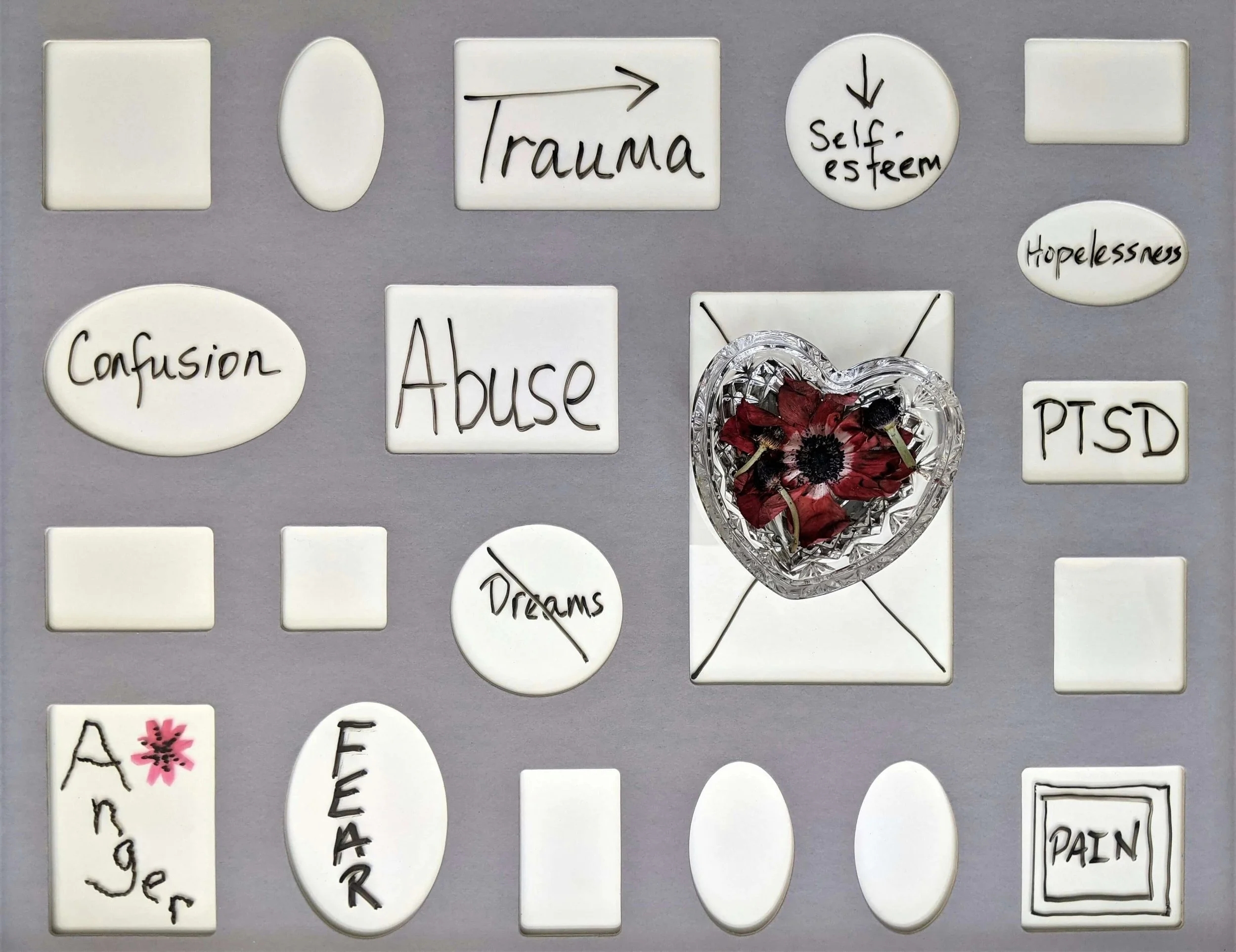
PTSD Treatment in Minneapolis, MN Finding the Right Therapist for You
PTSD is not a sign of weakness, and traditional talk therapy alone rarely resolves it at the neurological level. Here's what effective PTSD treatment in Minneapolis actually looks like, and what to look for in a therapist who can genuinely help.
Accelerated Resolution Therapy (ART) Near Me in Minnesota
Finding a qualified ART therapist in Minnesota can feel like a scavenger hunt. This guide covers exactly what Accelerated Resolution Therapy is, how it works, what a session looks like — and how it compares to EMDR, so you can decide if it is the right fit.

Emotionally Immature Parents, People Pleasing, and Family Trauma — The Role You Were Handed and Why You're Still Playing It
You didn't choose the role you play in your relationships. You adapted to the family you grew up in. Whether your parents were emotionally immature, emotionally unavailable, or sometimes abusive — the role they handed you is still running. Here's how to finally see it clearly.

Why Am I So Hard on Myself? Where Your Inner Critic and Negative Self-Talk Actually Come From
You make a small mistake and spend the next three days replaying it. You do something well and immediately find what you did wrong. If you've ever wondered why you're so hard on yourself — this is the answer. And it's not what most people think.

How to Stop Doomscrolling — Why You're Exhausted, Zoning Out, and Can't Put Your Phone Down
You told yourself five minutes. Forty-five minutes later you're watching a stranger's kitchen renovation and you feel worse than before you picked up the phone. This isn't laziness or lack of willpower. Your nervous system is exhausted — and the phone is the fastest exit it can find.

Can't Relax Even When You Try? High-Achieving Women and the Anxiety That Won't Turn Off
If you're a high-achieving woman who can't relax even when you finally have time, this isn't a willpower problem. Here's what your nervous system is actually doing.

Why I Created Deep Healing Sessions (And Who They're Really For)
Melissa Cribb shares why she created Deep Healing Sessions and who benefits most from trauma intensives in Minnesota. Learn whether this approach might be right for you.

What Is Childhood Emotional Neglect and Why So Many Adults Don't Recognize It
Childhood emotional neglect doesn't always look like obvious trauma. Learn what it is, how it shows up in adult life, and why so many high-functioning people carry it without realizing.

Why You Don't Feel Seen in Relationships (Even When Nothing Is "Wrong")
If you feel unseen in your relationships even when nothing is obviously wrong, you're not imagining it. Feeling insecure in relationships and struggling with trust often traces back to childhood emotional neglect — not anything your current partner is doing

Trauma Therapy in Minnesota: What It Is, How It Helps, and When to Seek Support
Searching for trauma therapy near you is often the first step in something that has been building for a long time. Here's what trauma therapy actually is, what happens in it, and how to know whether now might be the right time.

What Is Somatic Therapy
You understand your trauma. You've talked about it. You've done the work. So why does your body still react? Because trauma isn't only stored in your thoughts — it lives in your nervous system. That's exactly where somatic therapy works.

The Hidden Cost of High-Functioning Anxiety
You look like you have it together. You are, by most measures, doing well. And internally, you haven't stopped bracing in years. That's not just anxiety — that's a nervous system that learned to perform its way through fear.

Why Do I Feel On Edge All the Time?
The tension in your shoulders. The mind that won't stop at night. The feeling that something bad is about to happen even when everything is fine. That's not just anxiety, that's a nervous system that never got the message the danger was over.

Ready to embrace change?
If you’re tired of carrying anxiety, stress, or past trauma alone, now is the time to take the first step toward relief. Let’s talk about how therapy intensives or therapy can help.

Melissa Cribb, LPCC, LADC brings 14 years of experience and advanced trauma training to a practice that doesn't mess around with surface-level coping skills. If you've already read the self-help books and tried weekly talk therapy and still feel stuck, you're in the right place.
Services Overview
Trauma Therapy (ART, FLASH Technique, somatic/polyvagal-informed)
High-Functioning Anxiety Treatment
Substance Use & Addiction Counseling (LADC credential)
Deep Healing Sessions — intensive therapy format ($1,800 / $2,250 / $3,000)
LPCC Supervision for interns
LPCC | LADC | ART Certified | IFS Trained | FLASH Trained | MN Board Approved Supervisor | 14 Years’ Experience | St. Cloud State University MS