Intergenerational Trauma Therapy in Minnesota — Healing What Was Handed Down
Sometimes the wounds you carry are not entirely your own. Intergenerational trauma, also called generational trauma or inherited trauma, describes the way that unprocessed pain, survival patterns, and nervous-system adaptations get passed down through families, sometimes across multiple generations.
If you have ever noticed yourself struggling with patterns that do not quite fit your own life story, fear that feels disproportionate, emotional responses that seem to belong to another era, or a sense of carrying something heavy that you cannot name, intergenerational trauma therapy may help you understand why, and what to do about it.
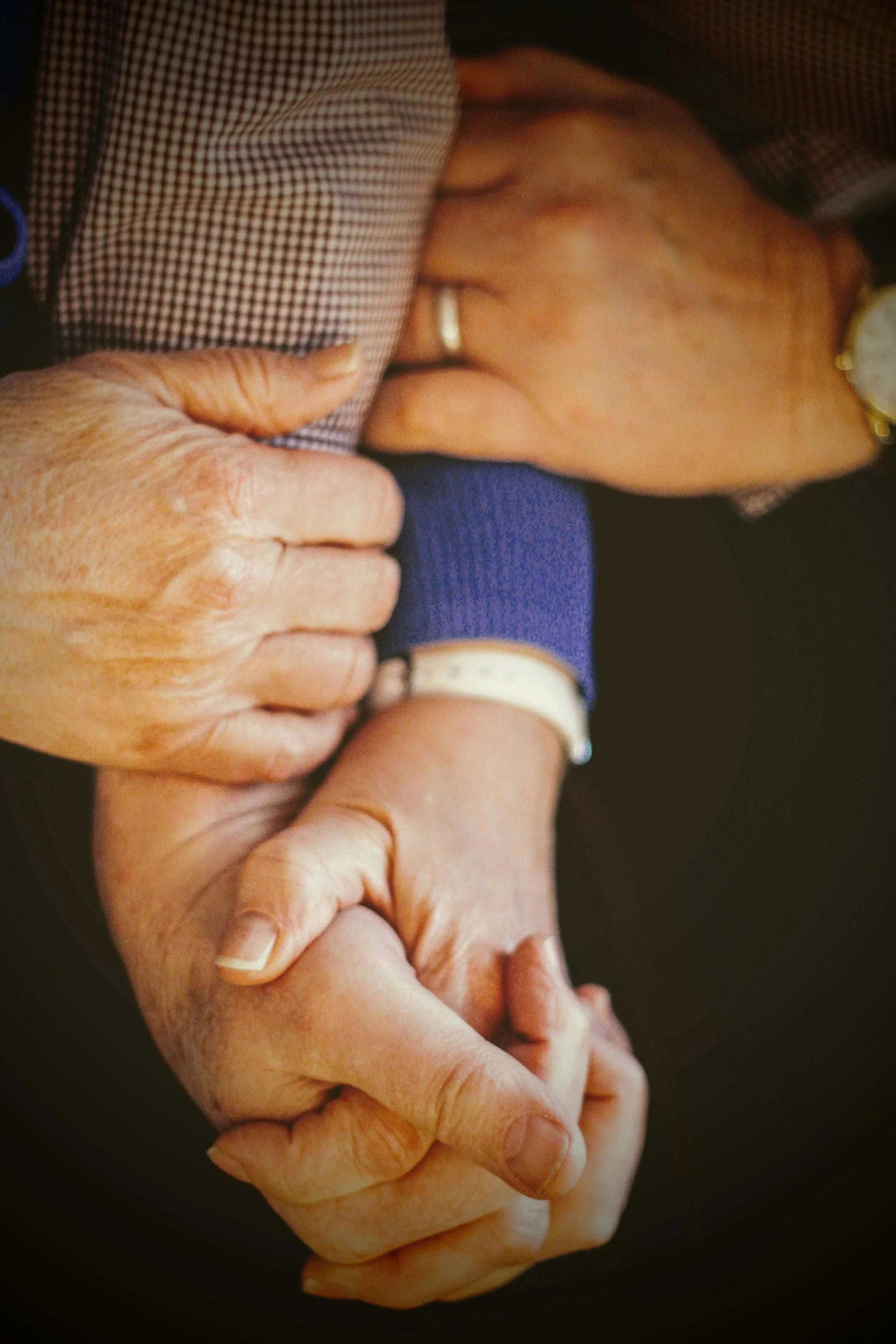
What Intergenerational Trauma Is — And Is Not
Intergenerational trauma is not a metaphor or a figure of speech. It is not simply about "picking up on" family stress. The mechanism is more concrete.
Research in epigenetics has shown that trauma can affect gene expression, which genes get switched on or off, and that these changes can be passed from parent to child. A parent who has experienced severe stress or trauma may pass on a nervous system calibrated for higher threat-detection, even if the child grows up in a relatively safe environment. The child's nervous system is shaped by the parent's history before the child is even born.
Beyond the biology, there is the relational dimension. Parents who have not processed their own trauma tend to parent from it, creating emotional environments, communication patterns, and attachment dynamics that shape how the next generation's nervous system develops. Not out of malice. Because they are doing the best they can with what they have, and what they have is an unprocessed wound.
How Trauma Gets Passed Down
Epigenetics. Research on Holocaust survivors and their children, and on descendants of famine survivors, has shown measurable changes in stress hormone regulation across generations. The child's nervous system reflects the parent's history of stress.
Early attachment. If a parent is hypervigilant, emotionally unavailable, unpredictable, or frightened, the infant's developing nervous system learns to organize around that, not because of any single event, but because of the relational environment over time.
Learned patterns. We learn how to do relationships, handle conflict, understand emotions, and treat ourselves largely by watching our family of origin. Shame, perfectionism, emotional suppression, and people-pleasing get transmitted through modeling before we have language for any of it.
What was never said. Sometimes the transmission is in the silence: the family topic no one discusses, the era no one mentions, the person who disappeared from the story. Children are acutely sensitive to what adults are not saying, and they construct explanations that often involve taking responsibility for distress they sense but cannot name.
Signs You May Be Carrying Intergenerational Trauma
Anxiety or fear that feels disconnected from your own life experiences
Grief, shame, or anger that arrives without a clear source
A sense of carrying something heavy you cannot quite articulate
Family relationships characterized by silence, control, emotional unavailability, or unpredictability
Cultural or historical experiences in your family line — immigration, war, famine, persecution — that were significant and unprocessed
Patterns everyone in your family accepts as "just how we are" but that cause real suffering
Feeling responsible for your parents' emotional well-being, even as an adult
How Therapy Addresses What Was Inherited
Intergenerational trauma therapy does not require you to process your grandmother's experience. It requires you to process how that experience or the patterns it created live in you right now.
The work often involves mapping family patterns to understand where they came from, processing your own childhood relational experiences using EMDR or ART, and using IFS to get to know the "parts" that developed to manage inherited stress — and helping them learn they no longer have to work so hard.
Many clients who have done intergenerational trauma work describe it as one of the most significant experiences of their healing, not just for themselves, but because it changes what they carry into their own relationships and parenting. The patterns do not have to keep going.
Cultural and Community Dimensions in Minnesota
Minnesota's population carries a wide range of intergenerational trauma histories: Somali and East African immigrant families, Hmong families with refugee experiences, Indigenous communities with histories of forced removal and boarding schools, Scandinavian families with legacies of emotional suppression and stoicism, and many others.
Each of these carries specific cultural dimensions that matter in how trauma shows up and how it can be addressed. Intergenerational trauma therapy is not one-size-fits-all. It requires holding the specificity of your community and family history without flattening it into a generic framework.
The Role of EMDR and ART
EMDR and ART are particularly well-suited to intergenerational trauma work because they work below the level of narrative. You do not need a complete story about what happened two generations ago. You just have to notice what is present in your body, your nervous system, your reactions, and that material, however it arrived, can be processed.
The goal is not to understand the past perfectly. It is to stop being governed by it.
If you are in Minnesota and carrying something that feels bigger than your own story, I would be glad to talk. Free 20-minute consultation — in person in Osseo or virtual throughout Minnesota.
👉Learn more about Deep Healing Sessions in Osseo, Minnesota
👉 Schedule a consultation to see what approach fits you best.
Ready to finally quiet your mind?
Get the Pressure You Don’t See Reflection Guide and start understanding what’s actually driving your overthinking, stress, and exhaustion.

Melissa Cribb, MS, LADC, LPCC, is a licensed therapist with over 14 years of experience supporting clients in Osseo, Minnesota. She specializes in trauma, substance use, and high-functioning perfectionism. Melissa integrates evidence-based approaches such as Accelerated Resolution Therapy (ART), Internal Family Systems (IFS), and somatic techniques to help clients reduce anxiety, break unhelpful patterns, and build a stronger sense of emotional safety and self-trust.
At Reflective Pathways, she is dedicated to providing compassionate, expert care—both in person and online—for clients across Minnesota.
Learn more about Deep Healing Sessions in Minnesota and begin the journey back to yourself.
This service is available to adults located in Osseo, Minnesota, and throughout the greater Twin Cities area.
