PTSD Treatment in Minneapolis, MN Finding the Right Therapist for You
Finding effective PTSD treatment in Minneapolis starts with understanding that PTSD is not a sign of weakness, and that not all PTSD treatment is created equal. Traditional talk therapy alone rarely resolves PTSD at the neurological level. The most effective treatments work directly with how the brain stores and retrieves traumatic memories.
At Reflective Pathways, I specialize in evidence-based PTSD treatment for adults in the Minneapolis-Saint Paul area, using Internal Family Systems and Accelerated Resolution Therapy, two of the most researched, fastest-acting approaches to PTSD available today. This post explains how PTSD works, what treatment options actually help, and what to look for when choosing a PTSD therapist in Minneapolis.
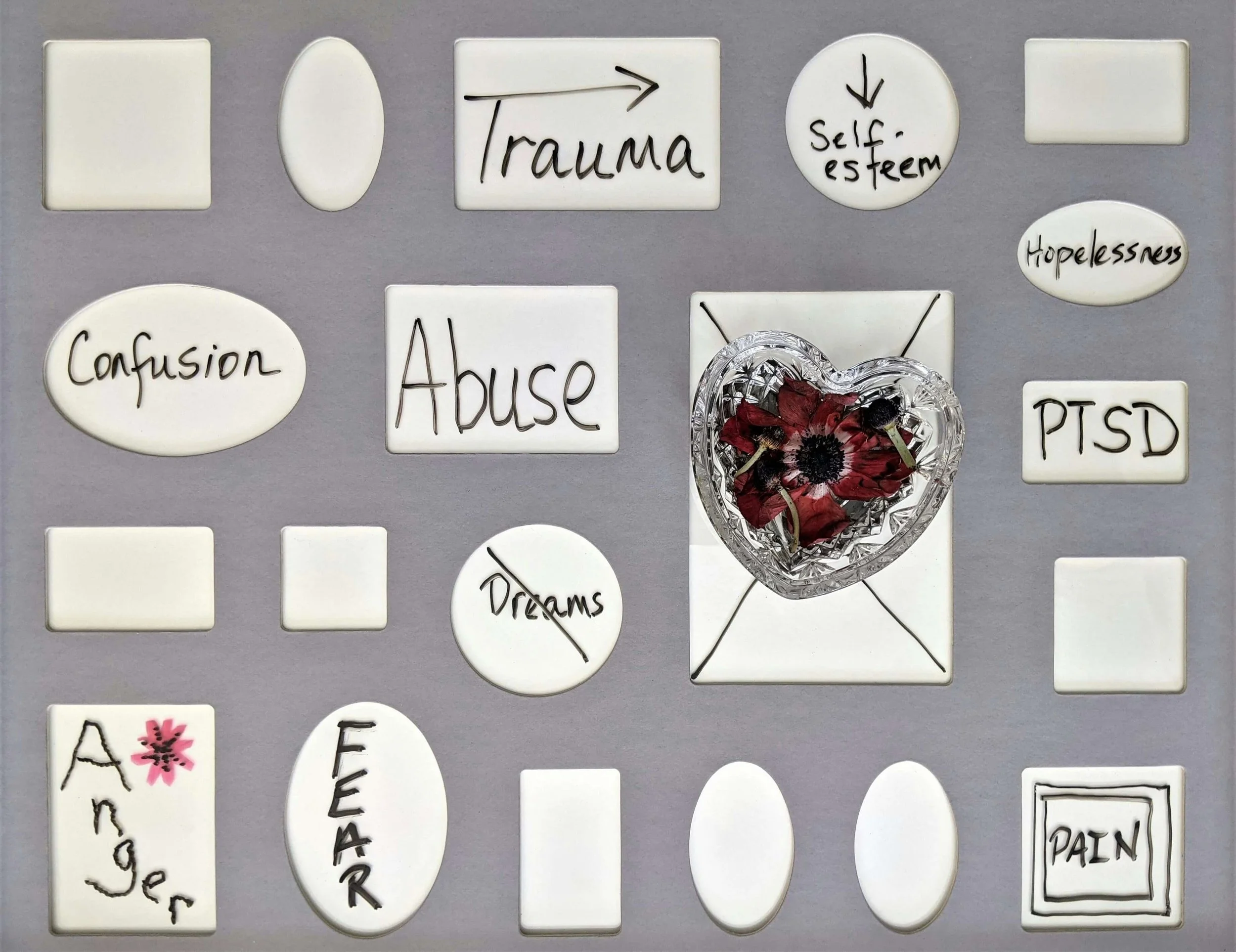
What PTSD Actually Is — And What It Is Not
PTSD is not a sign of weakness. It does not only happen to combat veterans. And you cannot "get over it" by forcing yourself to think differently.
PTSD is a nervous system injury. When something overwhelming happens, especially something where you felt helpless or in danger, the brain sometimes does not file the memory the way it normally would. Instead of processing it and storing it as "that hard thing that happened," the brain keeps it in a kind of suspended activation. The memory stays raw. The nervous system keeps responding as if the threat is ongoing, even when it is not.
This is why PTSD does not respond to logic. You can know, intellectually, that you are safe, and still flinch at a sound, brace when someone raises their voice, or lie awake with your heart racing over nothing you can name. That is not a character flaw. That is an unprocessed nervous system doing exactly what it learned to do.
Signs of PTSD That People Do Not Recognize in Themselves
PTSD does not always look like flashbacks and nightmares. In many people, especially women, it is quieter than that:
Feeling emotionally numb, disconnected, or like you are watching your life from a distance
Getting activated — anxious, irritable, flooded — in situations that seem unrelated to the thing that happened
Avoiding people, places, or conversations that remind you of it, even without consciously realizing that is what you are doing
Difficulty trusting people, relaxing in relationships, or feeling safe without knowing why
A persistent sense of shame, like something is fundamentally wrong with you
Chronic fatigue, physical tension, or health issues with no clear medical explanation
These may or may not add up to a diagnosable PTSD. What matters more than the label is whether unprocessed trauma is driving what you are experiencing, and whether addressing it at that level changes things.
Why Traditional Talk Therapy Is Often Not Enough
Talk therapy has real value. Understanding your patterns, building insight, and developing trust with a therapist all matter. But for many people with PTSD, talking alone does not fully resolve the problem.
The reason is neurological. PTSD lives in parts of the brain that are not fully accessible through conversation. The amygdala, your brain's alarm system, does not respond to logic or narrative the way the prefrontal cortex does. You can talk about what happened for years, and the alarm may still go off.
The treatments that work for PTSD work at the level where trauma actually lives in the body and the nervous system, not just the story.
Evidence-Based PTSD Treatments: A Comparison
| Treatment | How it Works | Best For |
|---|---|---|
| EMDR | Bilateral eye movements to reprocess traumatic memories | Complex or multiple traumatic events |
| ART | Eye movements + voluntary image replacement | Single events; clients who prefer less verbal processing |
| CPT | Structured writing and cognitive work on trauma-related beliefs |
Clients who prefer a skill-building, structured approach |
| Prolonged Exposure | Gradual, controlled re-exposure to avoided memories and situations | PTSD with significant avoidance patterns |
At Reflective Pathways, I use ART, which consistently produces results faster than any other modality on this list. For most clients, ART in particular tends to require the fewest sessions.
What PTSD Treatment at Reflective Pathways Looks Like
We start with a free consultation, a conversation about what you are carrying and what you are hoping for. If it seems like a good fit, we do a more thorough intake: mapping your history, identifying the specific memories or patterns that are most activated, and building a treatment plan together.
From there, the work uses ART to process the memories keeping your nervous system in chronic activation. Most clients notice meaningful shifts within the first few sessions. PTSD symptoms often reduce significantly within 8 to 12 sessions, far faster than years of weekly talk therapy.
For clients who want to move more quickly, I also offer trauma intensives: half-day and full-day sessions that compress multiple sessions' worth of work into a single focused day.
How Long Does PTSD Treatment Take?
It depends on how many experiences need to be processed and how complex the trauma history is. As a general range:
Single-incident trauma (one event): 3–8 sessions with ART is realistic
Complex or repeated trauma: 12–24+ sessions is more typical
Trauma intensives can compress this significantly — multiple sessions' worth of processing in a single day
The most honest answer I can give is: faster than you probably expect, and slower than you want it to be. Most people with PTSD have been carrying it for years. Giving it a few months of real, focused treatment is usually worth it.
FAQs
Can PTSD be cured? "Cured" is a complicated word. What I can tell you is that PTSD symptoms can resolve to the point where they no longer run your life. Clients who have done trauma processing with ART or EMDR often describe the original memories feeling neutral, distant, or simply no longer loaded and the hypervigilance, avoidance, and reactivity that came with them quieting down significantly. That is as close to "cured" as most people want to describe it.
Is PTSD treatment covered by insurance in Minnesota? It depends on your plan. EMDR is covered by most major insurers; ART coverage varies. At Reflective Pathways, I am private pay — which means no diagnosis shared with insurers, no limits on session length or treatment type, and no insurance company making decisions about your care. Many clients find this worth the investment.
Ready to find out if this is the right fit?
If you are in the Minneapolis area and ready to talk about whether trauma-focused treatment could help, I offer a free 20-minute consultation. No commitment — just a conversation.
Available in person in Osseo, MN, and online throughout Minnesota.
👉Learn more about Deep Healing Sessions in Osseo, Minnesota
👉 Schedule a consultation to see what approach fits you best.
Ready to finally quiet your mind?
Get the Pressure You Don’t See Reflection Guide and start understanding what’s actually driving your overthinking, stress, and exhaustion.

Melissa Cribb, MS, LADC, LPCC, is a licensed therapist with over 14 years of experience supporting clients in Osseo, Minnesota. She specializes in trauma, substance use, and high-functioning perfectionism. Melissa integrates evidence-based approaches such as Accelerated Resolution Therapy (ART), Internal Family Systems (IFS), and somatic techniques to help clients reduce anxiety, break unhelpful patterns, and build a stronger sense of emotional safety and self-trust.
At Reflective Pathways, she is dedicated to providing compassionate, expert care—both in person and online—for clients across Minnesota.
Learn more about Deep Healing Sessions in Minnesota and begin the journey back to yourself.
This service is available to adults located in Osseo, Minnesota, and throughout the greater Twin Cities area.
